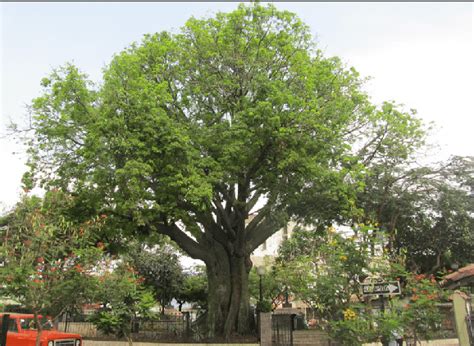
First: what people mean by “ceibo” on the Ecuadorian Coast
On the Coast, when someone says “that’s a ceibo”, they’re usually talking about Ceiba trichistandra — the classic giant of Ecuador’s tropical dry forest (bosque seco) in the Tumbes region (Ecuador–Peru). (iNaturalist)
(Tiny note because it confuses everyone at some point: there are other “ceibas” too — like Ceiba pentandra in wetter tropical areas — but the “coastal ceibo vibe” is most often trichistandra.) (Wikipedia)
Why the ceibo feels “so Ecuadorian” on the Coast
1) It defines the dry-forest landscape
The ceibo is one of those trees that turns into a landmark. In dry-forest areas, it’s common to hear places described by the ceibo (“near the big ceibo,” “past the ceibo grove”), because the shape is unmistakable. Dry-forest ecosystems in southwest Ecuador are even described in sources as “ceibo forest” landscapes because of how dominant these trees can be. (El Universo)
2) It’s strongly tied to Manabí identity
There’s a widely cited local milestone: in April 2015, Manabí’s provincial authorities recognized the ceibo as “Natural Heritage and a Symbol of Manabí’s Cultural Identity.” (El Diario)
That’s a big deal — it basically says: this tree isn’t just biology; it’s part of who we are.
3) It’s not just “pretty” — it’s a real dry-season survival machine
Ceibas are adapted to places with a strong dry season. They can lose leaves in the dry months (drought-deciduous behavior), and they’re built to handle heat and scarcity better than most trees. (Ceiba Foundation)
What it “does” for nature
A giant that acts like a mini-ecosystem
Big trees in dry forests are like apartment buildings for wildlife: shade, nesting spots, and little micro-climates around their trunks and roots. And ceiba flowers are famously tied to night pollinators (including bats) in the genus — one reason these trees are ecologically important even when you don’t see much happening in daylight. (Ceiba Foundation)
Seeds with built-in “parachutes”
Ceiba seeds are wrapped in that silky fluff (often called kapok) that helps them travel by wind — basically nature’s tiny flying machines. (Ceiba Foundation)
Cultural meaning on the Coast: why people feel something about ceibos
“A protector tree”
In research around Cerro Jaboncillo (Portoviejo), people described the ceibo as an “árbol protector” — connected to ancestral wisdom, refuge, and spiritual meaning tied to place. (UNESUM)
That matches what you hear informally too: ceibos show up in local stories as the tree that “watches” the land.
A practical social role: shade + meeting point
In coastal towns, shade is not a luxury — it’s survival. Ceibos often become natural gathering points: a place where people talk, rest, wait, sell something, or just escape the sun. That kind of “daily usefulness” turns into culture over generations.
Where you’re most likely to see great ceibos (Coast + Manabí angle)
- Manabí dry-forest zones, especially around places often linked in local writing to the Jipijapa valley, where some sources talk about large ceibo areas (even citing 15,000+ hectares). (El Universo)
- Community and conservation areas connected to coastal dry forest (often referenced through conservation groups working in Manabí’s bosque seco). (Ceiba Foundation)
If you tell me your exact area (San Clemente / San Jacinto / Manta / Portoviejo / Jipijapa), I’ll give you a tight “3–5 places nearby” list that’s realistic for an afternoon drive.
Quick “spot it fast” guide (the fun part)
- Silhouette: big umbrella crown; looks like a giant standing alone.
- Trunk: thick, sculptural; younger ones can show spines (people remember that detail). (Wikipedia)
- Season feel: in the dry season, the landscape browns out and the ceibo still looks dramatic — it’s a photographer’s dream.
If you’re photographing it (tiny friendly tips)
- Late afternoon gives you that warm coastal glow and long shadows (ceibo silhouettes = magic).
- Put a person or motorbike in the frame once — it instantly shows the scale.
- Try one wide shot for “landmark,” then a close-up of bark texture for “character.”
ESPAÑOL
Explicador | El ceibo (Ceiba trichistandra) — el gigante con alma de la Costa
Primero: ¿qué “ceibo” es este?
En la Costa, cuando alguien dice “ese es un ceibo”, casi siempre se refiere a Ceiba trichistandra, el árbol emblemático del bosque seco tropical (región tumbesina, Ecuador–Perú). (iNaturalist)
(Mini-aclaración porque confunde a cualquiera: existen otras “ceibas” también — como Ceiba pentandra en zonas más húmedas — pero el ceibo “costeño clásico” suele ser trichistandra.) (Wikipedia)
¿Por qué el ceibo se siente tan “nuestro” en la Costa?
1) Marca el paisaje del bosque seco
El ceibo no pasa desapercibido: se vuelve punto de referencia. Por eso la gente ubica lugares “por el ceibo”. En fuentes locales incluso se habla del bosque seco asociado al “bosque de ceibo” por lo dominante que puede ser esta especie en ciertas zonas. (El Universo)
2) Está ligado a la identidad manabita
Hay un hito muy citado: en abril de 2015, la provincia reconoció al ceibo como “Patrimonio natural y símbolo de la identidad cultural de Manabí.” (El Diario)
Eso es decir: este árbol es parte de lo que somos.
3) Es una máquina de sobrevivir al verano
Los ceibos están hechos para el verano fuerte. Pueden botar hojas en la época seca (comportamiento “caducifolio por sequía”), y aun así sostener vida alrededor. (Ceiba Foundation)
Lo que aporta a la naturaleza (sin palabras difíciles)
Un árbol que es como un mini-ecosistema
Los árboles grandes en bosque seco funcionan como “edificios” para fauna: sombra, refugio, nidos. Y en el género Ceiba, las flores están muy ligadas a polinizadores nocturnos (incluidos murciélagos), lo que lo vuelve importante aunque parezca “quieto” durante el día. (Ceiba Foundation)
Semillas con “paracaídas”
Las semillas vienen con esa fibra tipo algodón (kapok) que ayuda a dispersarlas por viento. (Ceiba Foundation)
Importancia cultural: por qué la gente le tiene cariño
“Árbol protector”
En un estudio sobre Cerro Jaboncillo (Portoviejo), muchas personas lo describen como “árbol protector”, ligado a sabiduría ancestral y refugio. (UNESUM)
Suena académico, pero coincide con lo que uno escucha en la vida real: el ceibo “cuida” el lugar.
Sombra = vida social
En la Costa, la sombra manda. Un ceibo grande se vuelve punto de encuentro natural: conversación, descanso, espera… y eso con los años se vuelve cultura.
Dónde verlo (con sabor manabita)
- Zonas de bosque seco de Manabí, con referencias frecuentes al valle de Jipijapa y grandes extensiones mencionadas en fuentes locales (se cita incluso 15.000+ hectáreas). (El Universo)
- Sitios y corredores donde se trabaja conservación del bosque seco costero (varias iniciativas documentadas por organizaciones). (Ceiba Foundation)