Pre-Inca peoples of Ecuador: who they were, and what their world was like (friendly explainer)
When people say “pre-Inca Ecuador,” they’re talking about thousands of years of different societies—coastal, highland, and Amazonian—many of which were thriving long before the Inca arrived in the late 1400s. Ecuador wasn’t one single civilization back then. It was more like a mosaic of cultures connected by trade, migration, alliances, and sometimes conflict. (Encyclopedia Britannica)
First, a quick reality check: what we can and can’t know
Most pre-Inca societies in Ecuador did not leave a written record, so our best evidence comes from:
- Archaeology (settlements, burials, tools, ceramics, metals, food remains)
- Dating methods (radiocarbon, stratigraphy)
- Later colonial/early chronicles (useful but biased and incomplete—especially for earlier periods)
- Oral histories and cultural continuities among Indigenous peoples today (valuable, but not always “date-stamped” to specific archaeological cultures)
That means we can often describe how people lived, what they produced, what they ate, and how they organized space—but we must be cautious about claiming we know exact names, myths, or political events for earlier periods. (revistas.patrimoniocultural.gob.ec)
The big timeline (simple, but helpful)
Archaeologists often describe pre-Inca Ecuador in broad phases:
1) Very early settlement and “getting established”
People arrived and adapted to different environments (coast, highlands, forest). Early life was typically small groups, flexible movement, and increasing knowledge of plants/animals.
2) The “Formative” boom: villages, farming, and early ceramics (especially famous on the coast)
This is where Ecuador becomes globally important in archaeology because of very early village life and pottery traditions—Valdivia is one of the best-known early coastal traditions, with a long developmental sequence. (Encyclopedia Britannica)
3) Regional cultures: specialization, trade networks, and distinct identities
Over time, different regions developed their own styles and strengths—ceramics, shell work, textiles, and later, metalworking.
4) Larger networks and “integration”: more hierarchy, bigger centers, and long-distance exchange
By the late pre-Inca period, some groups formed chiefdoms or regional confederations—not an “empire” like the Inca, but more organized, with elites, craft specialists, and major trade routes.
5) The Inca arrive (late) and unevenly
The Inca expanded into parts of the Ecuadorian highlands relatively late, and their control was stronger in some areas than others. Pre-Inca societies didn’t vanish overnight—many persisted, resisted, adapted, or blended.
What daily life might have looked like
Food and farming
Depending on region, people relied on combinations of:
- Maize (corn), beans, squash, tubers
- Coastal foods: fish, shellfish, salt, and coastal crops
- Highland production: intensive agriculture where possible (and later, terrace/field systems in some areas)
- Forest/Amazon foods: diverse crops and forest resources (often harder to “see” archaeologically, but crucial)
Homes and settlements
- Early villages: small clusters of homes, communal spaces
- Later: larger settlements, sometimes with mounds (tolas), plazas, and special buildings
- Different building materials by region: cane/bamboo and thatch on the coast; more stone and earthworks in highlands
Social structure (how society was organized)
Most evidence suggests many groups evolved from relatively egalitarian villages into societies with:
- Local leaders/chiefs
- Elite families (often seen in richer burials and prestige goods)
- Specialized craftspeople (ceramics, metals, shell ornament production)
- Trade intermediaries connecting regions
This isn’t “kingdoms everywhere,” but it is often ranked society: some people clearly had more power, wealth, and ritual authority.
Religion and worldview
We infer beliefs from:
- Burial practices and grave goods
- Iconography (figures of humans, animals, hybrid beings)
- Ritual objects, masks, and ceremonial spaces
Because there’s no direct text, we describe patterns (ritual specialists, ancestor veneration, symbolic animals) rather than claiming a single unified “religion.”
A quick tour of major pre-Inca cultures (by region)
Coast: early pottery → major trade and artistry
Valdivia / Machalilla / Chorrera (early coastal traditions)
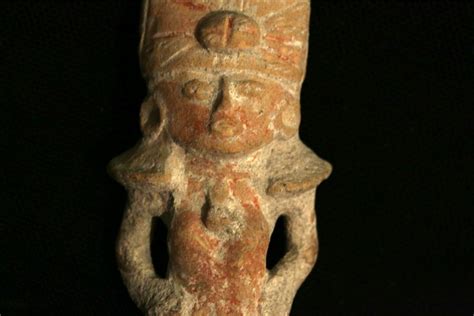
These are often highlighted for the quality and distinctiveness of early ceramics and figurines, with long sequences that show steady cultural development. (Encyclopedia Britannica)
Jama-Coaque (north/central coast)
Known for rich artistic production—especially ceramics—often interpreted as evidence of specialized artisans, social roles (musicians/dancers/elite figures), and complex ceremonial life. (Cultura y Patrimonio)
La Tolita–Tumaco (far north coast, Ecuador–Colombia)
Famous for extraordinary metallurgy (gold and platinum techniques) and elaborate ceremonial/elite objects; archaeologists point to their advanced metalworking as one of the region’s standout achievements. (Cambridge University Press & Assessment)
Manteño-Huancavilca (late pre-Inca coast)
Often described as late, highly networked coastal chiefdoms with strong maritime/trade orientation—part of why the coast could sustain dense populations and rich exchange networks. (museo.precolombino.cl)
Highlands: valleys, farming communities, and regional polities
Highland societies varied strongly by valley and time period. Some became regionally powerful late in the pre-Inca era (north and south highlands especially). Archaeological summaries often highlight distinctive highland traditions alongside the famous coastal sequences. (museo.precolombino.cl)
One thing that surprises newcomers: many highland centers are earthworks and mounds rather than big stone “temples.” That’s a normal pattern in parts of the Andes and doesn’t mean they were “less advanced”—it reflects materials, climate, and building traditions.
Amazon: different visibility, deep history
Amazonian societies have deep history too, but they can be harder to map into neat “culture boxes” because:
- Materials decay quickly in humid forests
- Settlement patterns can be more dispersed or shifting
- Research has historically been less intensive than on the coast/highlands
Still, Ecuador’s Amazon has long Indigenous histories (and living peoples today) that deserve to be treated as central, not “peripheral.”
What made these societies “civilizations” in their own way?
If by “civilization” we mean more than just cities and stone monuments, then many pre-Inca Ecuadorian societies qualify through:
- Permanent settlements and organized landscapes
- Food production supporting larger populations
- Craft specialization (ceramics, metallurgy, textiles, shell work)
- Regional political organization (chiefdoms/confederations)
- Trade networks linking coast–highlands–sometimes beyond
- Ritual life expressed through art, burial, and ceremonial spaces
The key idea: Ecuador’s pre-Inca past is less “one empire” and more a long story of creative regional worlds connected by exchange.
If you want to explore it in person (museum/site-friendly angle)
A good way to “feel” this history is through national and regional collections of pre-Columbian ceramics and gold, where you can literally see changes in style and technology over time—especially from coastal traditions and La Tolita–Tumaco metalwork. (Encyclopedia Britannica)
Below is a region-by-region list of museums and archaeological sites where you can learn about pre-Inca (and early Inca-era, where relevant) Ecuador—with a short “what you’ll see / why it matters” summary for each. Hours, access, and exhibits can change, so it’s worth checking the venue’s official page before you go.
North Coast (Esmeraldas)
- La Tolita / Tumaco–La Tolita cultural area (Esmeraldas Province)
Famous for extraordinary metalwork (gold/platinum), figurines, and complex coastal societies linked to the Tumaco–La Tolita tradition. Some areas are remote and best visited with local guidance. (Wikipedia) - Museo y Centro Cultural Esmeraldas (Esmeraldas city)
A solid “gateway” museum for the province, typically covering regional history and culture, including archaeological heritage connected to Esmeraldas’ pre-Hispanic past. (Cultura y Patrimonio)
Central Coast (Manabí)
- Complejo Arqueológico Cerros Hojas–Jaboncillo (between Portoviejo–Montecristi–Jaramijó)
One of Ecuador’s major coastal archaeological landscapes—associated especially with the Manteño world. It’s a large protected polygon with interpretation/museum elements tied to the site’s research and public visitation. (Patrimonio Cultural) - Museo Centro Cultural Manta (Manta)
A strong introduction to ancient Manabí, with a public-facing narrative of the province’s cultural heritage—useful if you want pre-Hispanic context without leaving the city. (Cultura y Patrimonio) - Museo y Centro Cultural Bahía de Caráquez (Bahía de Caráquez)
Highlights archaeological collections from multiple periods and cultures (a good stop if you’re based around Sucre/San Vicente/Bahía). (Cultura y Patrimonio) - Centro de Investigaciones y Museo Salango (Salango / Puerto López area)
A well-known coastal museum linked to long-running research; its exhibits typically cover multiple coastal cultural layers (Formative through later periods). (remab.culturaypatrimonio.gob.ec) - Agua Blanca community site & museum (inside Machalilla National Park, Puerto López canton)
A community-run visit where the museum and local landscape help explain several major coastal cultures represented in the area. (museos.arqueo-ecuatoriana.ec)
South Coast & Gulf (Santa Elena + Guayas)
- Museo Arqueológico “Los Amantes de Sumpa” (Santa Elena Province)
A “site museum” built around the peninsula’s deep pre-ceramic past (often discussed via the Las Vegas culture) and later coastal traditions—very accessible for visitors. (Cultura y Patrimonio) - Real Alto / Complejo Cultural Real Alto (Santa Elena Province)
One of the landmark places to understand the Valdivia world—early settled life, village layout, and ceremonial space (with museum-of-site components). (COMPLEJO CULTURAL REAL ALTO) - Museo de Valdivia / “Venus de Valdivia” tradition focus (Valdivia commune, Santa Elena)
A community museum experience centered on Valdivia identity and the region’s iconic figurines (“Venus”), plus broader coastal cultural context. (Ministerio de Turismo Ecuador) - MAAC – Museo Antropológico y de Arte Contemporáneo (Guayaquil)
A major national-scale hub in Guayaquil that combines archaeology/anthropology and modern/contemporary art—helpful if you want pre-Hispanic context while in the city. (museos.culturaypatrimonio.gob.ec) - Museo Presley Norton (Guayaquil)
Known for a substantial coastal precolumbian collection (ceramic/bone/stone), commonly used to trace early ceramic development and later coastal traditions. (museos.culturaypatrimonio.gob.ec)
Northern Highlands (Quito + Pichincha/“Mitad del Mundo” area)
- MuNa – Museo Nacional del Ecuador (Quito)
Ecuador’s flagship national museum context: a broad narrative from pre-Hispanic through modern eras, grounded in the national collections. (muna.culturaypatrimonio.gob.ec) - Museo Casa del Alabado (Historic Center of Quito)
A specialized precolumbian art museum—great if you want to understand symbolism, aesthetics, and worldview across Ecuador’s ancient cultures (less “timeline,” more “ideas + objects”). (Museo Casa del Alabado) - Parque Arqueológico Cochasquí (Pichincha Province, north of Quito)
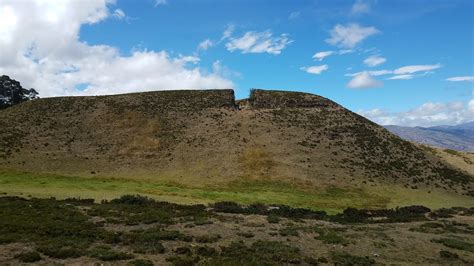
A highland monumental complex of pyramids and tolas—excellent for seeing how late pre-Inca highland societies organized ceremonial/settlement space. (parquecochasqui.mitaddelmundo.gob.ec) - Pucará de Rumicucho (San Antonio de Pichincha, near Quito)
A key Inca-period fortification/site with evidence of earlier local occupation in the region—useful for understanding the Inca expansion into the Quito area and what existed before/alongside it. (Ministerio de Turismo Ecuador)
Southern Highlands (Azuay + Cañar + Loja)
- Museo y Parque Arqueológico Pumapungo (Cuenca)
A must for the south: it connects the Cañari past with the later Inca presence in Cuenca/Tomebamba, plus broader archaeological/ethnographic context. (Ministerio de Turismo Ecuador) - Cueva Negra de Chobshi (Sígsig, Azuay)
One of the best-known windows into very early human presence (hunter-gatherer era) in the southern highlands—important for deep-time context beyond “classic” pottery cultures. (Arqueología Ecuatoriana) - Complejo Arqueológico Ingapirca (Cañar Province)
Often described as Ecuador’s most prominent archaeological complex; it’s strongly Inca-identified, but it’s also used to discuss pre-Inca and local highland context in the south. (Patrimonio Cultural)